なつカフェ · Featured Story
Stories, updates, and moments from our growing cafe community.
There’s a specific kind of cafe experience that people who’ve been to Japan can’t stop talking about.
It’s not the coffee, exactly. It’s not even the aesthetic, though that’s part of it. It’s something harder to name — a combination of atmosphere, pace, and quiet intentionality that makes you feel like the space was designed specifically so you could slow down inside it.
If you’ve felt it, you know what we mean. If you haven’t, this article is either going to make you book a flight or send you looking for the next best thing closer to home.
What actually makes Japanese cafes different
The concept of ma
Japanese design has a concept called ma — roughly translated as “negative space” or “meaningful emptiness.” It’s the deliberate use of what’s not there to make what is there feel more intentional.
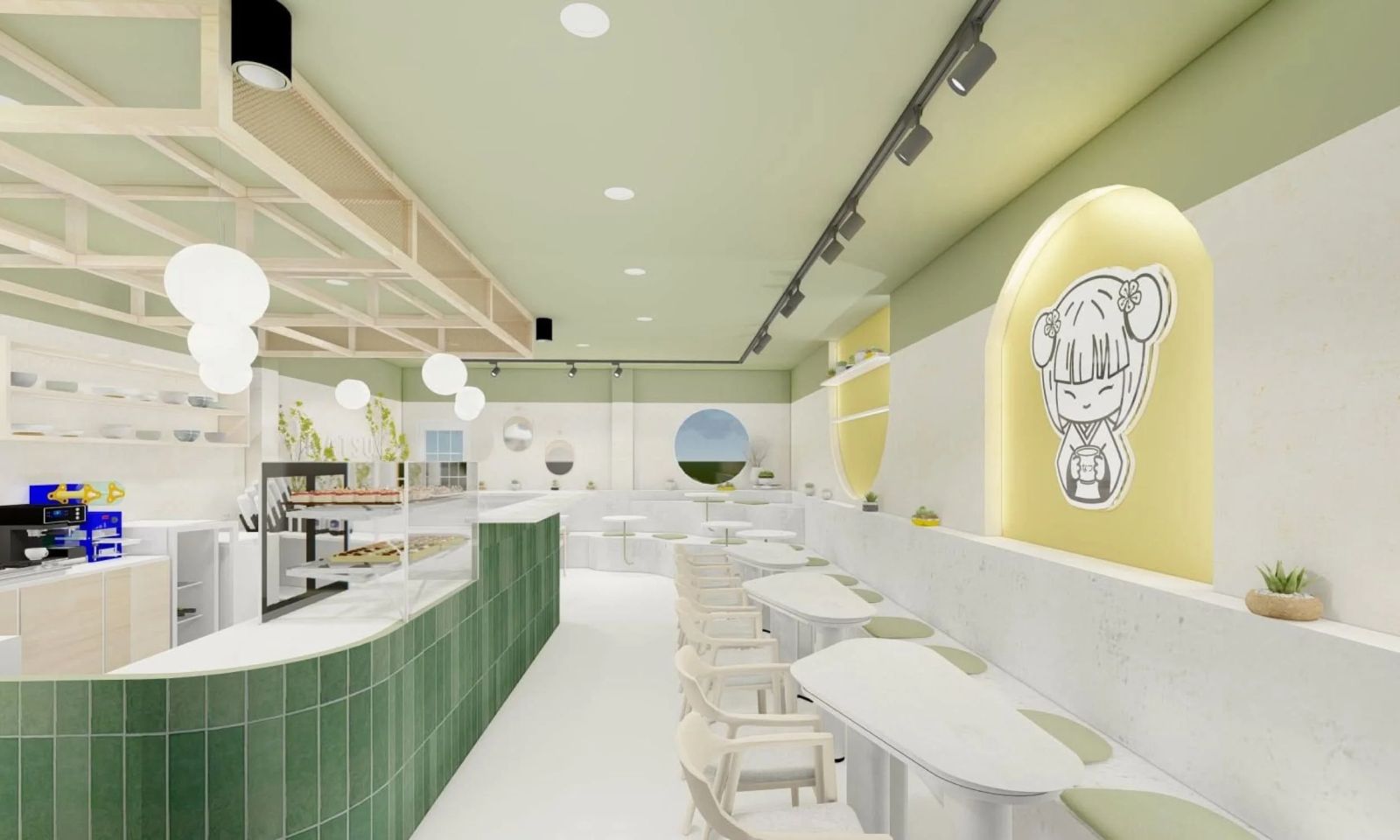
In a cafe context, this shows up as breathing room. Tables that aren’t packed together. Walls that aren’t covered in decorations competing for your attention. Music that exists in the background instead of demanding to be noticed.
Most cafes in other countries — including the Philippines — fill every inch of space with something. Japanese cafes resist that impulse, and the result is a room that feels calm rather than chaotic.
The unhurried pace
In Japan, lingering is not just tolerated — it’s expected. You order, you settle in, and nobody is hovering near your table calculating how many more customers they could seat if you just finished your drink a little faster.
That permission to stay is deceptively powerful. It changes how you feel in the space from the moment you walk in. You relax differently when you know you’re not on a clock.
The care in the details
Japanese hospitality — omotenashi — is about anticipating what a guest needs before they ask. In a cafe, this translates to the small things: a drink that arrives exactly as ordered, a space kept consistently clean and quiet, staff who are warm without being intrusive.
It’s not flashy. It doesn’t announce itself. But you feel it, and you notice when it’s missing.
The drinks are actually good
This one sounds obvious but it’s worth saying. Japanese specialty cafes don’t treat the menu as an afterthought to the aesthetic. The matcha is real matcha, not a green powder approximation. The lattes are made with care. The food, when there is any, is specific and considered.
You’re not paying for the vibe alone. The drink is supposed to be good enough to order again.
Why this is hard to find in the Philippines
The Philippine cafe scene has grown enormously in the last decade, and genuinely good cafes exist across Metro Manila and the provinces. But the Japanese cafe experience specifically — that combination of ma, omotenashi, and unhurried atmosphere — is still relatively rare here.
Part of it is a design problem. Recreating that kind of calm requires restraint, and restraint is genuinely difficult to execute. It’s easier to add things than to resist adding them.
Part of it is a concept problem. A lot of cafes with Japanese-inspired names lean heavily on the aesthetic markers — noren curtains, kanji on the cups, cherry blossom motifs — without building the actual experience underneath.
The feeling doesn’t come from the decorations. It comes from the decisions.
What to look for when you’re trying to find it
If you’re specifically looking for that Japanese cafe experience in the Philippines, here’s what actually signals you’re in the right place:
The space feels calm when it’s full. Not just when it’s empty. A well-designed Japanese-inspired cafe maintains its atmosphere even during busy hours because the layout and acoustics are built for it.
You want to stay longer than you planned. This is the clearest signal. If you sat down for one drink and found yourself ordering a second just to avoid leaving, the space did its job.
The drinks are specific. A cafe that takes the Japanese concept seriously usually has a focused menu with clear heroes — a matcha program, a signature latte, something that feels considered rather than assembled.
It photographs well but doesn’t feel performative. There’s a difference between a space that’s beautiful and a space that’s built to look beautiful in photos. One makes you want to come back. The other makes you want to check in and leave.
Where to find it in the Philippines
Natsu Cafe was built specifically around this experience — a Japanese neighborhood cafe concept designed for the Philippine market, currently with branches across Cavite, Bulacan, and Metro Manila, with more locations opening across the country throughout 2025 and 2026.
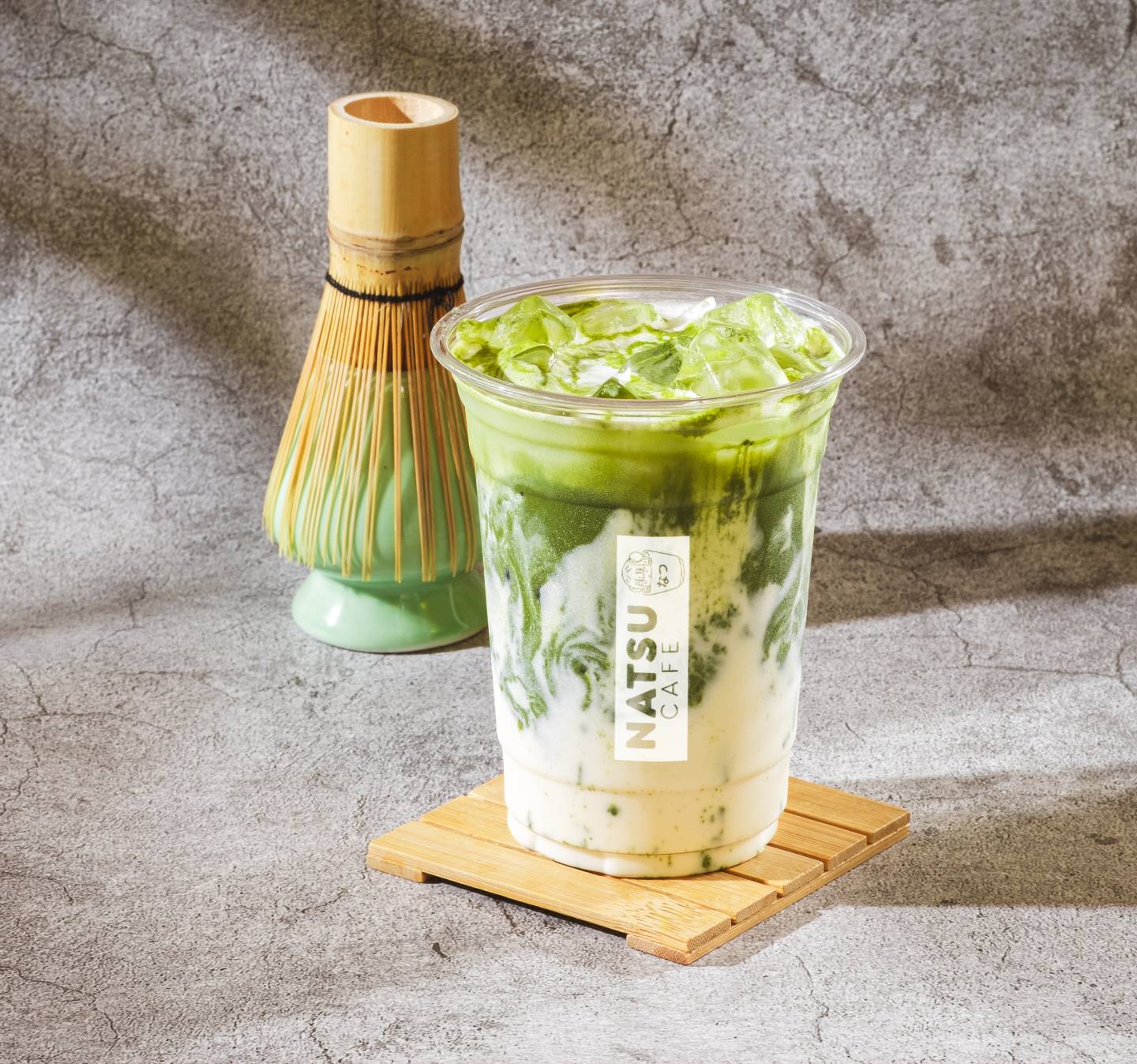
The drinks are anchored by ceremonial grade Fuji matcha, which if you’ve only had the supermarket version, tastes genuinely different — deeper, smoother, less bitter. The spaces are designed with that ma principle in mind: warm, calm, and built to make you want to stay.
It’s not trying to be Japan. It’s trying to bring that specific feeling here — Japanese hospitality meets Filipino warmth, which turns out to be a combination that works better than expected.
If there’s a Natsu near you — or one opening soon — it’s worth a visit. Bring your laptop. Order the matcha. Stay a while.
That’s kind of the whole point.
Frequently Asked Questions
What makes Japanese cafes different from regular cafes? Japanese cafes are typically designed around the concept of ma — intentional space and calm — combined with omotenashi, a philosophy of quiet, anticipatory hospitality. The result is a space that feels unhurried and carefully considered, where lingering is welcome and the details are consistently looked after.
Are there authentic Japanese cafes in the Philippines? A growing number of Japanese-inspired cafes have opened across the Philippines, particularly in Metro Manila and nearby provinces. Natsu Cafe is one of the few concepts specifically built around the Japanese neighborhood cafe experience, with branches currently across Cavite, Bulacan, and Metro Manila — and more locations opening soon in Batangas, Rizal, Las Piñas, and key Ayala Malls properties.
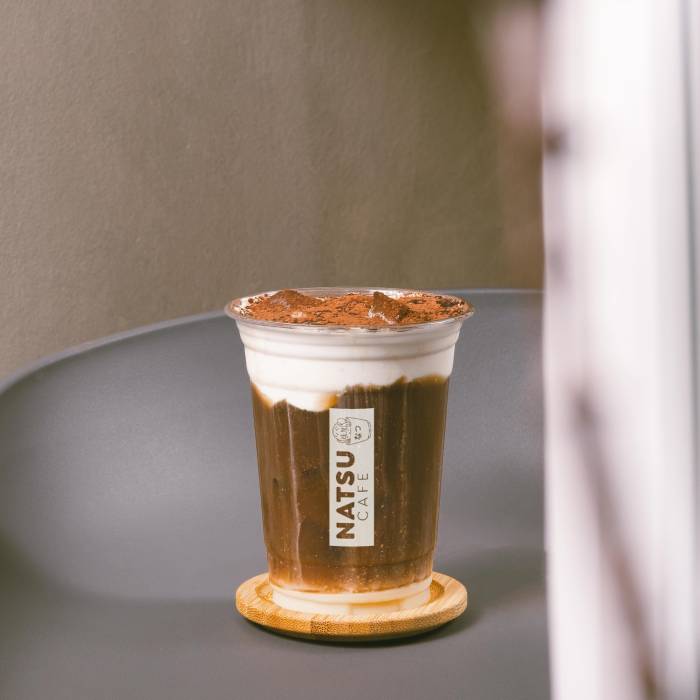
What drinks are typical in a Japanese cafe? Matcha-based drinks are the most common hero product — particularly ceremonial grade matcha, which has a smoother, more complex flavor than culinary grade alternatives. Hojicha lattes, sakura-flavored drinks, and specialty milk teas are also common. Natsu’s menu includes matcha, sakura drinks, the Midnight Latte, and Midnight Cacao among others.
What is omotenashi? Omotenashi is a Japanese concept of hospitality centered on anticipating a guest’s needs before they express them. It’s less about grand gestures and more about consistent, thoughtful attention to the experience — which in a cafe context translates to well-made drinks, a well-maintained space, and staff who are warm without being overbearing.