なつカフェ · Featured Story
Stories, updates, and moments from our growing cafe community.
At some point in the “should I open a cafe” research spiral, you’ll land on this question.
Do you build your own thing from zero — full creative control, full risk, full upside? Or do you plug into a franchise system that’s already figured out the hard parts, at the cost of some of that freedom?
Both paths work. Both paths have also ended in disaster for people who chose the wrong one for their situation. So instead of telling you franchising is obviously better (we are a franchise, after all — take that bias into account), here’s what an honest side-by-side actually looks like.
What you’re really deciding between
At the core, this isn’t a decision about money. It’s a decision about what kind of problem you want to solve.
Building independently means solving everything yourself: the brand, the menu, the suppliers, the operations, the marketing, the training, the systems. You own every decision and every consequence.
Franchising means solving a smaller, more specific set of problems: find the right location, run the operations well, build your local customer base. The framework is handed to you. What you do inside it is still your job.
Neither is easier in an absolute sense. They’re just different kinds of hard.
The honest case for building independently
You own everything. The brand equity you build belongs entirely to you. If your cafe becomes a beloved neighborhood institution, that value is yours — no royalties, no shared credit, no franchisor relationship to navigate.
Full creative control. Your menu, your aesthetic, your vibe. If you have a strong vision and the skills to execute it, there’s a ceiling to what a franchise can offer you creatively that an independent concept doesn’t have.
No ongoing fees. Independent cafes don’t pay royalties. Once you’re profitable, the margins are entirely yours to work with.
The satisfaction is different. There’s something specific about building something from nothing that a franchise can’t replicate. If that matters to you — and for some people it matters enormously — that’s a real and valid reason to go independent.
The honest case against it: all of the above requires you to actually have the experience, skills, and resources to pull it off. Most first-time cafe owners don’t — and that’s not an insult, it’s just the reality of entering an industry cold.
The honest case for franchising
The system already works. A good franchise has already made the expensive mistakes so you don’t have to. The menu has been tested. The operations have been refined. The branding has been built. You’re not starting from zero — you’re starting from a foundation.
The timeline is dramatically shorter. Building an independent cafe from concept to opening typically takes 6 to 12 months, sometimes longer. A franchise can go from signed agreement to open doors in 3 to 4 weeks. That’s not a small difference.
Lower risk profile. This doesn’t mean no risk — every business has risk. But a franchise with proven locations, real customer data, and an existing support system carries a different risk profile than a concept nobody has ever tried before.
Support when things go wrong. And things will go wrong, regardless of which path you choose. The difference is whether you’re figuring it out alone at midnight or with a support line and a team that’s seen the problem before.
The honest case against it: you’re running someone else’s brand. The creative ceiling is real. And not all franchises are created equal — a weak franchisor, an oversaturated territory, or a concept that hasn’t actually been proven at scale can make the “proven system” promise feel hollow very quickly.
Where most people get the comparison wrong
The instinct is to compare the franchise fee against the cost of going independent. But that’s not the right comparison.
The right comparison is: what does each path actually cost, all-in, once you account for everything?
Independent costs look lower on paper because you don’t pay a franchise fee. But you pay in other ways — longer setup timeline, more expensive mistakes, slower customer acquisition, the cost of building brand recognition from zero. Those costs are real even when they don’t show up on a budget spreadsheet.
A franchise fee, when the system is genuinely good, is essentially paying to skip the most painful and expensive part of the learning curve. Whether that trade is worth it depends entirely on what your time, your capital, and your risk tolerance look like.
Questions worth asking before you decide
Do you have relevant experience? If you’ve run a food service business before, built a brand before, or managed operations before — independent becomes significantly more viable. If you’re coming in cold, the learning curve is steeper than most people expect.
How much of your capital can you afford to lose in year one? Independent cafes commonly run at a loss for the first 6 to 12 months while building a customer base. Do you have the runway for that?
How involved do you want to be day-to-day? Franchises are generally designed to be more systemized and easier to delegate. If you want to be the hands-on creative director of your cafe, a franchise may feel constraining.
What does your support network look like? Going independent without industry connections means figuring out suppliers, contractors, equipment vendors, and operations consultants from scratch. That’s doable but time-consuming.
What happens if the franchisor relationship doesn’t work out? Before signing any franchise agreement, understand the exit terms. A good franchisor will have reasonable provisions. A bad one won’t.
Where Natsu fits in this picture
We’re a franchise, so we obviously think franchising is a good idea — at least for the right person.
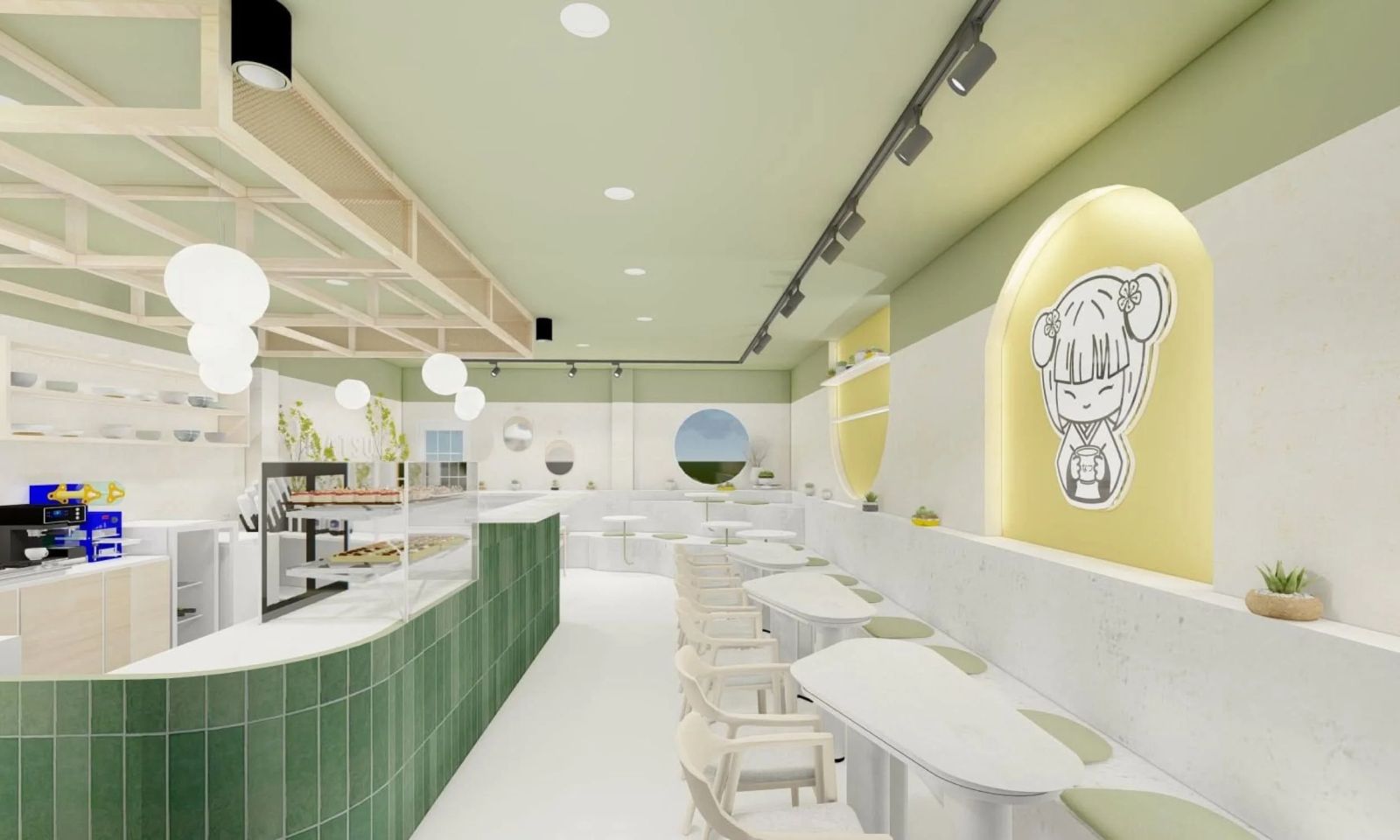
The Natsu franchise is designed specifically for first-time business owners who want to run a cafe without spending a year figuring out what they didn’t know they didn’t know. The system covers menu, design, operations, training, and ongoing support. Setup takes 3 to 4 weeks. The brand already has customer traction across multiple locations.
It’s not the right fit for someone who has a strong independent vision and the experience to execute it. That person should probably build their own thing.
But if you’ve been wanting to open a cafe, you’re not sure where to start, and the idea of having a complete system handed to you sounds less like a limitation and more like a relief — that’s exactly who this is built for.
Frequently Asked Questions
Is franchising less risky than starting a cafe from scratch? Generally yes, if you choose a franchise with a genuinely proven system and real customer traction. The risk profile is different rather than nonexistent — you’re trading creative and financial independence for a tested framework and a shorter path to opening.
How much does it cost to franchise a cafe in the Philippines vs. building independently? An independent cafe typically costs ₱500,000 to ₱1,500,000 or more once all setup costs are accounted for. A Natsu Cafe franchise starts at ₱155,000 for the franchise fee, with a total all-in investment typically between ₱300,000 and ₱600,000 depending on location and space.
Do franchise owners make less money than independent cafe owners? Not necessarily. Independent owners have no royalty obligations, but they also absorb all the costs of building brand recognition from zero. Franchise owners benefit from an existing brand and faster customer acquisition, which can offset the royalty structure depending on location performance.
What should I look for in a cafe franchise? Proven locations with real customer data, transparent fee structures, genuine training and operations support, and a franchisor you can actually reach when things go sideways. A franchise agreement should also include reasonable territory protection and clear renewal terms.
Can I own multiple Natsu franchise branches? Yes. Natsu offers territory arrangements with Right of First Refusal within a defined radius, which gives franchisees a path to expanding within their area before new branches open nearby.